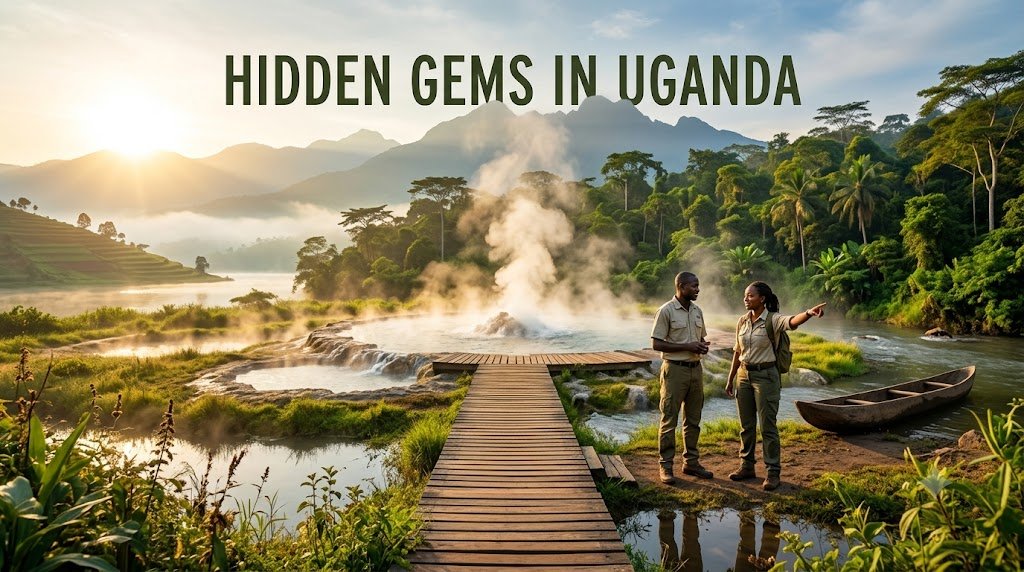
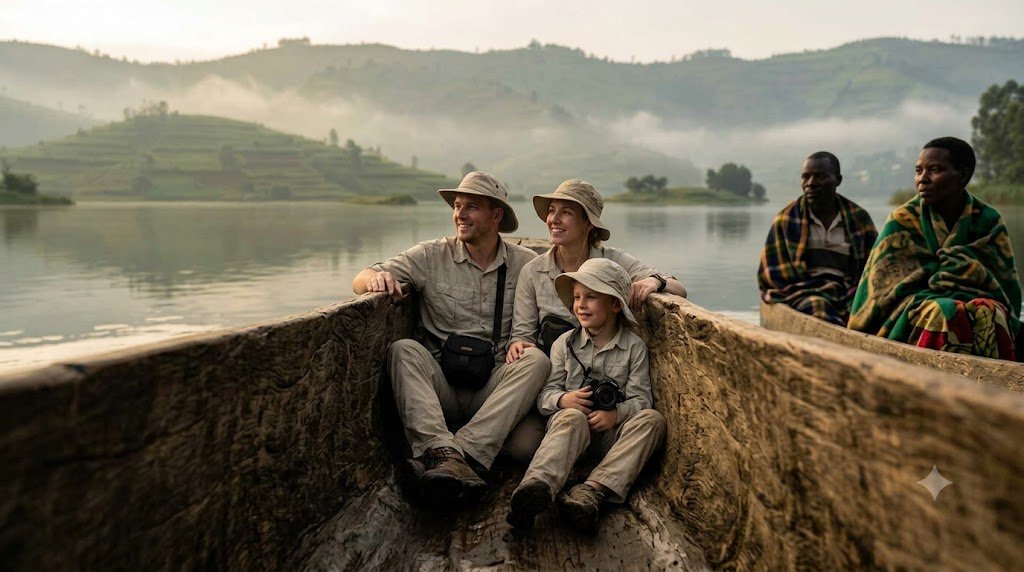
When travelers plan a trip to the Pearl of Africa, savanna game drives and mountain gorilla tracking usually top the list—but some of the most unforgettable experiences are the hidden gems in Uganda that lie off the beaten path. Beyond the famous national parks, Uganda is filled with secret geothermal hot springs, misty high-altitude lakes, and tranquil shorelines waiting to be discovered. Whether you are seeking natural healing pools, rich cultural legends, or peaceful beach getaways along Lake Victoria, this guide explores 10 amazing underrated destinations to add to your 2026 itinerary.
Hidden Gems in Uganda: Exploring Western Uganda’s Sacred Hot Springs
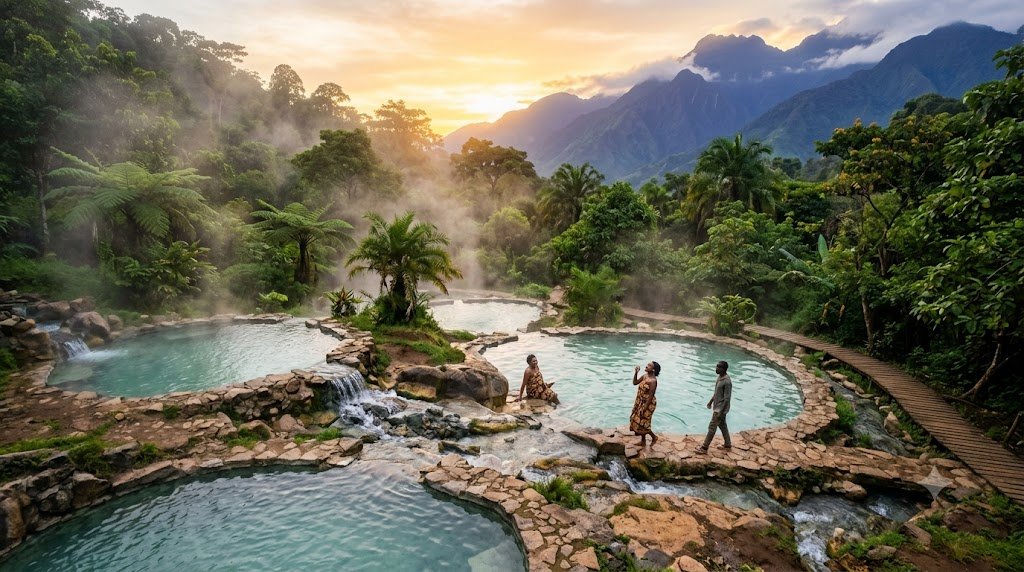
While Uganda is famous for savanna safaris and gorilla trekking, western Uganda holds a steamy secret beneath its surface. Nestled along the Albertine Rift Valley, the region is home to naturally occurring, mineral-rich hot springs powered by geothermal activity deep within the earth.
From boiling geysers inside tropical rainforests to natural healing pools frequented by royalty and locals alike, here are western Uganda’s most fascinating geothermal destinations.
Sempaya Hot Springs (Semuliki National Park)
Located inside Semuliki National Park in Bundibugyo District, Sempaya is arguably Uganda’s most famous and dramatic hot spring site. Set against a dense lowland tropical rainforest backdrop, Sempaya consists of two distinct thermal springs:
- The Female Spring (Nyansimbe): Reaching temperatures over 103°C (217°F), this boiling pool shoots steam into the air. Visitors often bring eggs, plantains, or sweet potatoes to cook directly in the bubbling water—a favorite highlight for travelers!
- The Male Spring (Bitente): A short 30-minute nature walk away through the forest, this broader spring sits in a clear glade and features a high-pressure geyser.
The Cultural Connection: The local Bamaga people consider Sempaya a sacred sanctuary. According to tradition, the springs mark the spot where ancestral spirits reside, and rituals are still performed here to seek blessings and fertility.
Kitagata Hot Springs (Sheema District)
Situated along the Ishaka-Kagamba road in Sheema District, Kitagata Hot Springs are widely known for their relaxing waters and spiritual heritage. Framed by scenic hills and winding rivers, the site features two adjacent pools:
- Ekyomugabe: Translating to “The King’s Spring,” this pool was historically reserved for the Omugabe (King) of the ancient Ankole Kingdom.
- Mulago: Named after Mulago National Referral Hospital in Kampala, locals believe this pool possesses natural healing powers due to its high sulfur and mineral contents.
Daily, dozens of people gather at Kitagata to soak in the warm waters (ranging between 50°C to 80°C) to soothe joint pain, skin ailments, and fatigue.
Kiwa Heritage Hot Springs (Kasese District)
Located at the base of the iconic Rwenzori Mountains near Kasese town, Kiwa Heritage offers a community-driven eco-tourism experience.
Unlike raw natural sites, Kiwa Heritage features a built-up, natural-style swimming pool fed directly by geothermal waters. The site combines warm relaxation pools with rich cultural preservation—offering traditional Bakonzo cultural performances, local cuisine, and fishing along the Nyamwamba River.
Rwagimba Hot Springs (Kabarole/Kasese Border)
Tucked away along the River Rwimi on the border between Kabarole and Kasese districts, Rwagimba is a hidden gem treasured by the local community.
Historically, the Kingdom of Tooro’s royal chiefs used these sulfur-rich springs for therapeutic soaking. Today, locals still visit Rwagimba with their livestock, believing the warm, mineral-infused waters cure skin conditions and body pain for both humans and animals.
Essential Travel Tips for Visiting Uganda’s Hot Springs
- Safety First: Temperatures at springs like Sempaya exceed boiling point. Always stay on designated wooden boardwalks and test water temperatures before touching or dipping your feet.
- Pack Light Swimwear & Towels: If you plan to soak at Kitagata or Kiwa Heritage, bring appropriate swimwear and extra towels.
- Respect Local Customs: Many hot springs are active spiritual sanctuaries. Ask your local guide before taking photographs or entering specific sacred pools.
- Combine with a Safari: Sempaya is easily paired with game drives in Semuliki National Park, while Kitagata lies close to Queen Elizabeth National Park—making them seamless additions to western Uganda itineraries.
Lake Bunyonyi & River Kagera: Underrated Hidden Gems in Uganda
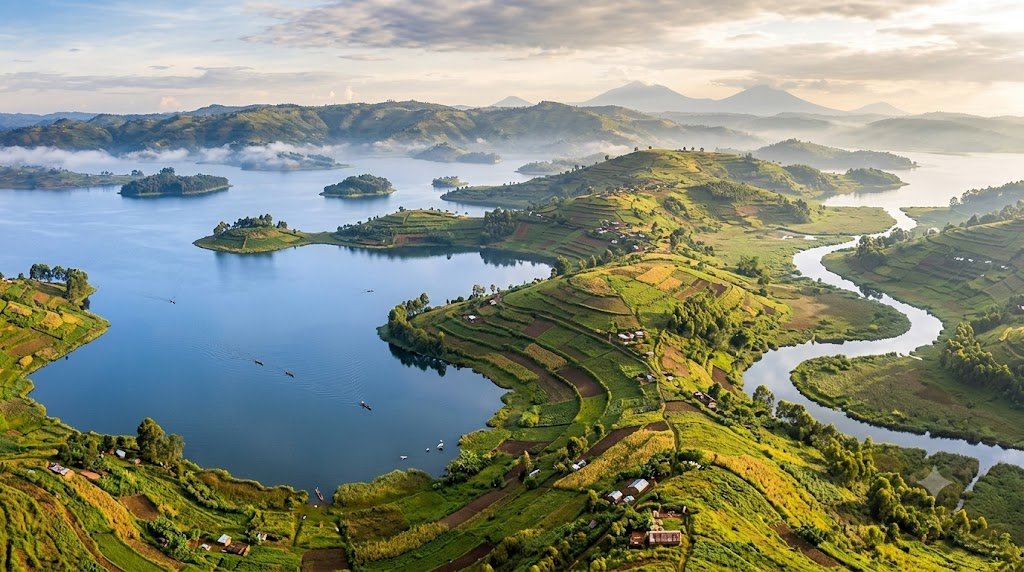
While Uganda is famous for its wildlife safaris and gorilla trekking, its aquatic landscapes carry deep cultural roots, breathtaking beauty, and dark historical legends.
From the calm, misty highlands of Southwestern Uganda to the meandering borders of the East African Rift Valley, Lake Bunyonyi and River Kagera offer travelers two unforgettable water journeys.
Lake Bunyonyi: The Place of Little Birds & 29 Islands
Nestled between the terraced green hills of Kigezi near Kabale, Lake Bunyonyi translates to “The Place of Little Birds.” Sitting at nearly 1,962 meters above sea level, this serene crater lake is often called the “Switzerland of Africa” for its cool climate, dramatic mist-shrouded hills, and peaceful atmosphere.
Key Highlights of Lake Bunyonyi
- Deep Waters & Bilharzia-Free: Descending to depths of up to 900 meters, Bunyonyi is recognized as Uganda’s deepest lake (and the second-deepest in Africa). Uniquely, it is safe for swimming—free from dangerous currents, hippos, crocodiles, and bilharzia.
- 29 Mystical Islands: Each of the 29 islands scattered across the lake holds a distinct history:
- Akampene (Punishment Island): The most famous island with a dark past. Historically, unmarried pregnant Bakiga girls were abandoned here on the tiny patch of reed-filled land as a warning against premarital relations—often rescued by men who couldn’t afford a traditional bride price.
- Bwama & Njuyeera (Sharp’s Island): Founded in the 1930s by British missionary Dr. Leonard Sharp as a leprosy sanctuary and treatment facility, the island now houses schools serving local island communities.
- Kyahugye Island: A mini wildlife sanctuary where visitors can spot zebras, impalas, and waterbucks on nature walks.
- Dugout Canoeing & Birding: Over 200 bird species—including weavers, kingfishers, and grey crowned cranes—inhabit the lake. Exploring the water by traditional wooden dugout canoe at sunrise is a quintessential Bunyonyi experience.
River Kagera: The Ancient Feeder of the Nile
Flowing over 400 kilometers through Burundi, Rwanda, Tanzania, and along southern Uganda, the River Kagera (or Akagera) is a vital lifeline in East Africa. Originating high in the mountains, it flows east before emptying into Lake Victoria, forming the single largest water tributary feeding the mighty Nile River.
Why Visit the River Kagera Basin?
- A Journey Through History: River Kagera has served as a crossroads for major history—from trade routes used by 19th-century European explorers like Gustav Adolf von Gotzen to border conflicts during World War I.
- Wildlife & Riverine Ecosystems: Near its path through Akagera and the Ugandan border wetlands, the river feeds sprawling paper-papyrus swamps, lakes, and savannas. It provides crucial habitats for hippos, giant Nile crocodiles, shoebill storks, and rare marsh antelopes.
- Scenic Borderlands: Traveling along the Kagera riverbank in Southern Uganda (near Kikagati and Rakai) offers travelers panoramic views of rolling hills, banana plantations, and cultural encounters with local cattle-herding communities.
Tips for Visiting
Cultural Sensitivity: When touring islands like Akampene with local guides, listen respectfully to the historical narratives shared by community members.
Best Time to Visit: Both destinations are ideal year-round, though the dry seasons (June–August and December–February) offer clear skies for island views and smoother road travel.
Combining Itineraries: Lake Bunyonyi is the perfect relaxation stop after gorilla trekking in nearby Bwindi Impenetrable National Park or Mgahinga Gorilla National Park.
Masaka’s Hidden Gems in Uganda: From Golden Sand Beaches to Lake Victoria Wildlife
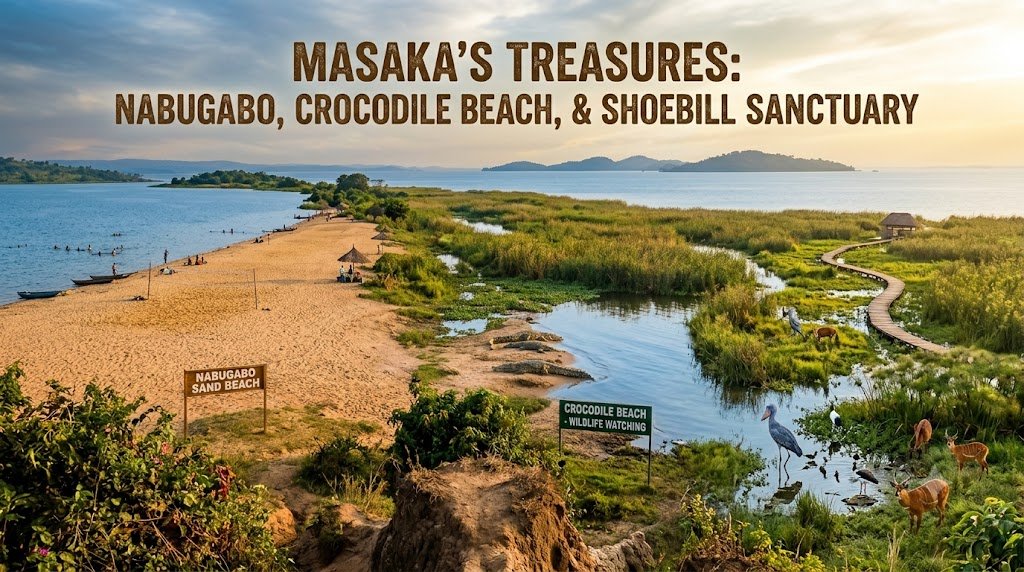
While Masaka is widely recognized as a vibrant hub of culture and commerce in central Uganda, it is also home to some of the country’s most serene and underrated getaway spots. Nestled along the shores of Lake Victoria and surrounded by lush green landscapes, the Masaka region offers travelers a refreshing blend of beach relaxation, wildlife encounters, and rich heritage.
If you are looking for a peaceful escape off the typical safari circuit, here are the top tourist attractions to explore in and around Masaka.
Nabugabo Sand Beach & Lake Nabugabo
Located just about 20 kilometers from Masaka town, Lake Nabugabo is a picturesque satellite lake of Lake Victoria. Recognized as a Ramsar site of international importance, its pristine shorelines—most notably Nabugabo Sand Beach—are a favorite destination for both locals and travelers.
Why Visit Lake Nabugabo?
- Safe Swimming & Golden Sands: Unlike many parts of Lake Victoria, the waters of Lake Nabugabo are free from bilharzia and hippos near designated resort areas, making its soft sandy beaches perfect for swimming, beach volleyball, and sunbathing.
- Canoeing & Water Sports: Visitors can rent traditional dugout canoes or kayaks to glide across the calm waters at sunrise or sunset.
- A Birdwatcher’s Paradise: The surrounding marshlands house over 300 bird species, including the elusive shoebill stork, kingfishers, and crested cranes.
Crocodile Beach (Lake Victoria Shoreline)
Tucked away along the secluded bay areas of the lake near Masaka, Crocodile Beach offers an eco-tourism experience centered around nature and wildlife observation.
What to Expect:
- Guided Boat Safaris: Take a boat ride along the reed-lined shores to spot Nile crocodiles basking on the banks and log islands.
- Relaxed Environment: It provides a quieter, more rustic alternative to busier resort beaches, ideal for picnics, nature photography, and enjoying fresh tilapia served right by the water.
Nabajjuzi Wetland & Shoebill Sanctuary
For nature lovers and birdwatchers, the Nabajjuzi Swamp is a must-visit Ramsar wetland site located right on the edge of Masaka town.
Highlights:
- Home of the Sitatunga: Nabajjuzi is one of the few places in Uganda where you can spot the rare, semi-aquatic Sitatunga antelope navigating the thick papyrus reeds.
- Shoebill Stork Sightings: Early morning guided boardwalk tours or canoe trips through the swamp offer fantastic opportunities to spot the prehistoric-looking Shoebill stork alongside grey crowned cranes and papyrus yellow warblers.
Bukakata Landing Site & Gateway to the Ssese Islands
While technically a bustling fishing port, Bukakata serves as a fascinating cultural and transit hub. It is the primary mainland connection point where travelers board the ferry to Bugala Island in the famous Ssese Islands archipelago.
- Cultural Experience: Walking around Bukakata gives visitors an authentic look into local fishing communities, smoked fish markets, and daily life along the Lake Victoria trade routes.
- Scenic Ferry Ride: The ferry crossing from Bukakata to Kalangala provides stunning, wind-swept views across the vast expanse of Lake Victoria.
Essential Travel Tips for Visiting Masaka
- Getting There: Masaka is easily accessible via a smooth 2- to 3-hour drive (approx. 130 km) southwest from Kampala along the Masaka-Mbarara highway.
- Local Cuisine: Don’t leave Masaka without trying freshly caught Lake Victoria Tilapia paired with local plantains (matooke), or stopping by local roadside hubs for famous Ugandan snacks like Gonja (roasted plantains).
- Best Time to Visit: The dry months of June–August and December–February offer ideal beach weather and clearer paths for wetland nature walks.
Why Masaka Belongs on Your Uganda Bucket List
Masaka is far more than just a transit town on the way to Western Uganda’s safari parks—it is a destination in its own right. Whether you’re kicking back on the golden sands of Lake Nabugabo, tracking the elusive Shoebill in the Nabajjuzi wetlands, or embarking on a boat ride to spot crocodiles along Lake Victoria, Masaka delivers an authentic, laid-back Ugandan adventure.
Add these spots to your itinerary for a refreshing mix of relaxation, culture, and nature before heading deeper into the Pearl of Africa.
Quick Overview of Uganda’s Top Hidden Gems
| Destination | Region | Main Highlights & Experience | Best Time to Visit |
| Sempaya Hot Springs | Western Uganda (Semuliki NP) | Geothermal boiling pools (103°C), egg-Quick Overview of Uganda’s Top Hidden Gemsboiling, tropical rainforest walks, Bamaga cultural heritage | Year-round (Dry months best for forest walks) |
| Kitagata Hot Springs | Southwestern Uganda (Sheema) | Natural sulfur-rich thermal pools, historic King’s spring (Ekyomugabe), natural therapeutic soaking | Year-round |
| Kiwa Heritage | Western Uganda (Kasese) | Eco-tourism pool fed by hot springs, Bakonzo cultural performances, Nyamwamba River fishing | Year-round |
| Rwagimba Hot Springs | Western/Central Border (Rwimi) | Secluded sulfur springs, ancient royal bathing grounds of the Tooro Kingdom, local cultural traditions | Year-round |
| Lake Bunyonyi | Southwestern Uganda (Kabale) | 29 islands, punishment island (Akampene), bilharzia-free swimming, sunrise dugout canoeing | June–August & December–February |
| River Kagera Basin | Southern Border (Rakai/Kikagati) | Ancient Nile tributary, paper-papyrus swamps, Shoebill birding, Nile crocodile & hippo spotting | Dry season preferred for wetland views |
| Lake Nabugabo & Masaka | Central Uganda (Lake Victoria) | Golden sand beaches, bilharzia-free lake swimming, Nabajjuzi wetland Shoebill tracking, local culture | Year-round (Great weekend getaway) |
Frequently Asked Questions About Uganda’s Hidden Gems
What are the best hidden gems in Uganda for first-time visitors?
Beyond popular national parks like Bwindi and Queen Elizabeth, top hidden gems in Uganda include Lake Bunyonyi for relaxation and canoeing, Sempaya Hot Springs in Semuliki for natural geothermal wonders, and Lake Nabugabo near Masaka for peaceful beach getaways.
Are Uganda’s hot springs safe for swimming and soaking?
It depends on the location. Natural geothermal springs like Sempaya reach temperatures above boiling point (103°C/217°F) and are strictly for viewing and cooking demonstration eggs. However, spots like Kitagata and the developed pool at Kiwa Heritage offer safe, comfortable thermal waters suitable for soaking and mineral baths.
Is Lake Bunyonyi safe for swimming?
Yes! Lake Bunyonyi is uniquely safe for swimming because it is completely free from bilharzia, hippos, and crocodiles. However, because it is exceptionally deep (up to 900 meters), non-swimmers and children should always wear life jackets during water activities and canoe tours.
How do I incorporate off-the-beaten-path destinations into my safari itinerary?
Many hidden gems sit conveniently along standard safari routes. For example, Sempaya Hot Springs can be visited en route to Fort Portal, Kitagata lies near Queen Elizabeth National Park, and Lake Bunyonyi is a 2-hour drive from Bwindi Impenetrable National Park. Sekekeka Tours & Travel customizes itineraries to seamlessly combine major wildlife safaris with these unique hidden spots.
What is the best time of year to visit these underrated destinations in Uganda?
Most hidden gems in Uganda can be enjoyed year-round. However, the dry seasons—June to August and December to February—offer the clearest trails for hot spring rainforest walks, optimal birdwatching conditions, and ideal weather for beach stays along Lake Victoria.
Plan Your Custom Uganda Safari Today
Ready to explore these secret spots for yourself? At Sekekeka Tours & Travel, we specialize in crafting personalized, tailor-made Ugandan itineraries that seamlessly combine major wildlife safaris with these unique hidden gems.
- Website: sekekekatours.com
- Email: enquiry@sekekekatours.com
- Phone / WhatsApp: +256 774 471 800
- Office Hours: Monday – Saturday, 8:00 AM – 6:00 PM (EAT)
Contact Us today to start planning your dream journey across the Pearl of Africa!